Exam season is a familiar landscape for students, a period that can bring both anticipation and a healthy dose of anxiety. Navigating this crucial time effectively requires a strategic approach, not just in terms of academic preparation, but also in practical organization and self-care. This comprehensive guide aims to equip students with the tools and mindset necessary to approach exam day not with dread, but with confidence and preparedness, transforming potential chaos into a streamlined and successful experience.
The foundation of a successful exam day lies in meticulous preparation of your physical and mental resources. Imagine walking into an exam room feeling confident, knowing you have everything you need, and your mind is clear and ready. This isn’t a fantasy; it’s the result of thoughtful pre-exam planning.
Essential Supplies for a Smooth Exam Day
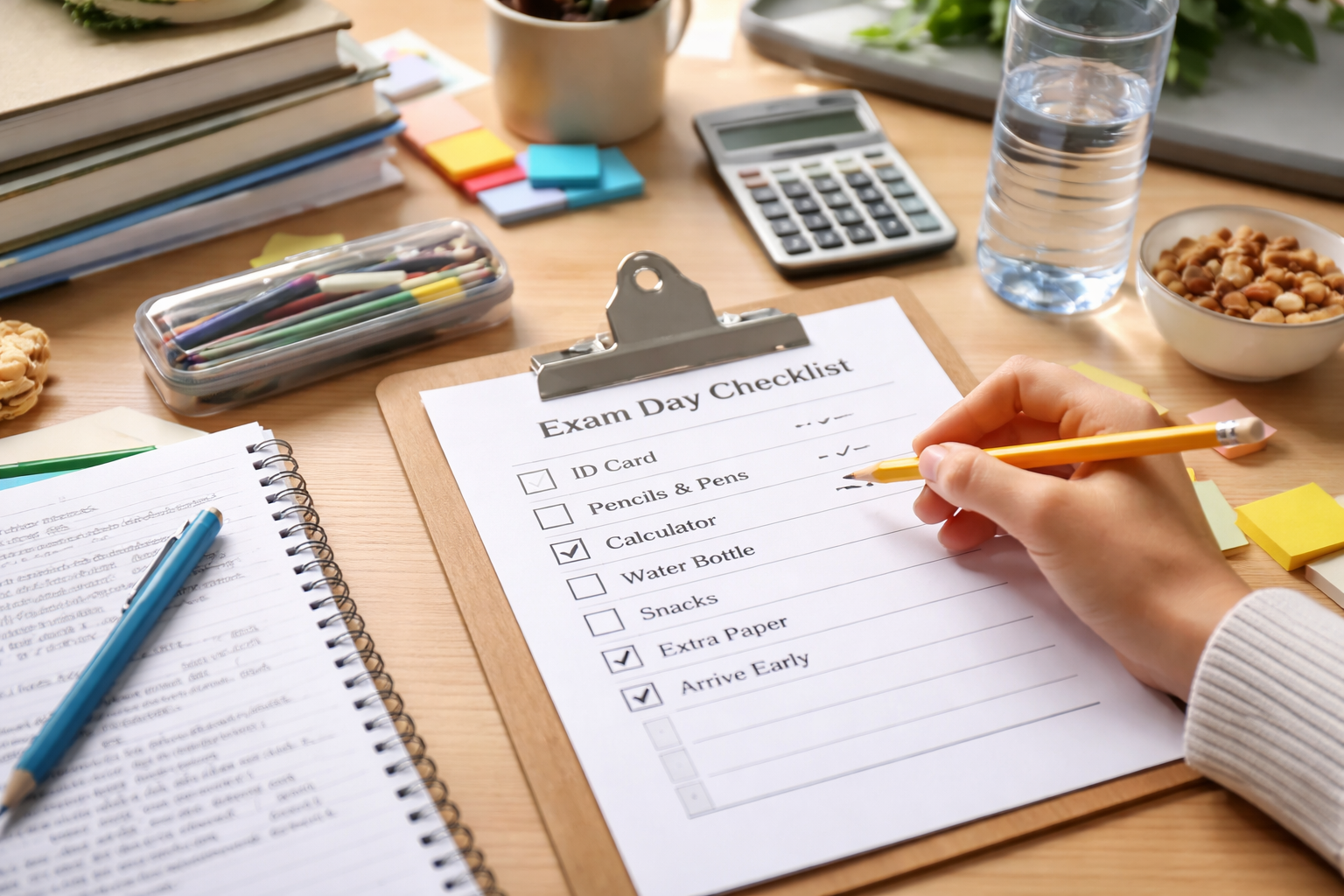
The hours leading up to and during an exam can be stressful enough without the added worry of missing a crucial item. To avoid this, create a dedicated exam day kit a few days in advance. This kit should be easily accessible and contain everything you might need, from basic writing instruments to a comforting item if you find it helpful.
First and foremost, ensure you have an ample supply of writing tools. Pencils, pens with reliable ink flow in both blue and black, and erasers are indispensable. For subjects that involve calculations, a scientific or graphing calculator, fully charged or with fresh batteries, is an absolute necessity. Don’t forget spare batteries; it’s a small item that can make a significant difference if yours suddenly dies.
Beyond writing implements, consider other practical items. A clear water bottle is vital for staying hydrated, which directly impacts cognitive function. Avoid sugary drinks that can lead to energy crashes; plain water is best. If you have any permissible snacks that provide sustained energy, like nuts or a small energy bar, pack them. However, be sure to check your institution’s policy on consuming food and drinks during exams.
Identification is paramount. Your student ID card or a valid form of identification is usually required for entry and verification. Keep it in a wallet or a designated secure pocket where it won’t be misplaced. For digital exams, ensure you have access to the necessary software and a stable internet connection, and that your device is fully charged. A backup power bank can be a lifesaver in such scenarios.
Finally, anything that might be permitted for comfort or to aid your focus should be considered. This could be a light sweater in case the room temperature is unpredictable, or noise-canceling headphones if they are allowed and you find them beneficial in blocking out distractions. A positive affirmation card or a small, discreet lucky charm can also provide a psychological boost. By assembling this comprehensive kit in advance, you eliminate last-minute scrambles and can walk into your exam with a sense of calm control.
Preparing Your Study Materials: A Strategic Approach
Effective exam preparation extends beyond simply attending lectures and reading textbooks; it involves a strategic and organized approach to your study materials. The way you gather, organize, and review information will directly influence your recall and understanding during the exam.
Begin by thoroughly understanding the scope of the exam. What topics will be covered? What format will the exam take – multiple-choice, essay, problem-solving? Consult your syllabus, lecture notes, and any study guides provided by your instructor. This initial clarity will prevent you from wasting time on irrelevant material.
Next, organize your notes and resources. This might involve creating detailed summaries of lectures, rewriting key concepts in your own words, or creating flashcards for memorization. Color-coding your notes can be incredibly effective for visually distinguishing between different topics or themes. For subjects with complex diagrams or formulas, consider making clear, labeled copies.
Practice questions are your best friend. Work through past papers, textbook exercises, and any practice tests provided. This not only reinforces your learning but also familiarizes you with the types of questions you can expect and helps you identify areas where your understanding is weak. When reviewing practice questions, don’t just check the answers; understand why the correct answer is right and why the incorrect answers are wrong.
If you’re studying in a group, ensure your shared notes are well-organized and accessible to everyone. Consider creating a collaborative study guide that synthesizes everyone’s understanding. The act of explaining concepts to others is also a powerful way to solidify your own knowledge.
Finally, create a structured revision schedule. Break down the material into manageable chunks and allocate specific times for reviewing each topic. This prevents last-minute cramming, which is often ineffective and increases stress. By approaching your study materials with a methodical and organized mindset, you build a strong foundation of knowledge that will serve you well on exam day.
Time is a finite and precious resource, particularly during the intense period of exam preparation and the exam itself. Effective time management is not about magically creating more hours in the day, but about strategically allocating the hours you have to ensure you are both thoroughly prepared and can perform optimally when it matters most.
Crafting a Realistic Study Schedule
The cornerstone of effective time management in the context of exams is the creation of a realistic and achievable study schedule. This schedule should not be a rigid blueprint that leaves no room for flexibility, but rather a guiding framework that brings order to your academic responsibilities.
Begin by identifying all your exam dates and their respective weightage. This will allow you to prioritize your efforts. Next, break down the subject matter for each exam into smaller, more manageable topics. Estimate the time required to thoroughly cover each topic, considering its complexity and your current level of understanding. Be honest with yourself about your learning pace. It is far better to underestimate the time needed for a topic and finish early than to overestimate and fall behind.
Your schedule should incorporate a variety of study methods. Dedicate time for reviewing lecture notes, reading textbooks, completing practice problems, and engaging in active recall techniques like flashcards or self-testing. Crucially, build in regular breaks. Studying for extended periods without respite leads to burnout and diminished cognitive function. Short, frequent breaks can actually enhance productivity and retention.
Furthermore, incorporate buffer time into your schedule for unexpected events or topics that require more attention than initially anticipated. This flexibility is key to preventing your entire plan from unraveling if one aspect takes longer than expected. Finally, ensure your schedule allows for adequate sleep, nutrition, and some form of physical activity, as these are foundational to sustained concentration and effective learning. Regularly review and adjust your schedule as needed based on your progress and evolving understanding.
Strategic Exam Day Time Allocation
Once you’ve mastered the art of scheduling your study time, the next critical skill is effectively managing your time during the exam itself. This requires a calm, strategic approach to ensure you tackle every question to the best of your ability without succumbing to pressure.
Before you even begin writing, take a few moments to read through the entire exam paper. This allows you to get an overview of the scope and the types of questions presented. Identify the questions that are worth the most marks and mentally allocate your time accordingly. High-value questions should receive a proportionally larger chunk of your time.
Start with the questions you feel most confident about. This builds momentum and ensures you secure marks on topics you know well. It also prevents you from getting bogged down on a difficult question early on, which can sow seeds of doubt and eat into valuable time for other sections.
For questions that require more thought or complex problem-solving, make a quick mental note or jot down a brief reminder of what you need to address. If you find yourself struggling with a particular question, don’t dwell on it for too long. Make a note to return to it later if time permits. It’s often more beneficial to answer other questions you can tackle and then revisit the challenging ones with a fresh perspective.
Be mindful of the clock. Glance at it periodically to ensure you are on track. Avoid spending too much time on any single question, especially if it’s a lower-mark question. If you have completed all other questions and have time remaining, you can then dedicate that time to reconsidering the more difficult ones or refining your answers. Finally, always leave a few minutes at the end to review your work, check for any careless errors, and ensure you have answered all parts of each question.
Beyond the tangible preparations, the mental and emotional state of a student significantly impacts exam performance. Developing strategies to stay focused and calm, and creating an environment conducive to concentration, are as vital as knowing the subject matter.
Tips for Staying Focused and Calm
The pressure of exams can amplify distractions and anxieties, making it challenging to maintain focus and composure. Fortunately, there are practical techniques that can help you achieve a state of calm concentration, allowing you to access and process information effectively.
One of the most effective strategies is mindfulness. Taking a few minutes before starting to study or before entering the exam hall to practice deep breathing exercises can significantly reduce stress and clear your mind. Inhale deeply through your nose, hold for a moment, and exhale slowly through your mouth. Repeat this several times. This simple act signals to your nervous system to relax.
Visualization can also be a powerful tool. Imagine yourself successfully completing the exam, feeling confident and in control. Picture yourself answering questions clearly and concisely, and imagine the relief and satisfaction of handing in your paper. This positive mental rehearsal can build confidence and reduce anxiety.
Breaking down study sessions into smaller, manageable blocks with short breaks in between can also prevent mental fatigue and maintain focus. During these breaks, engage in activities that help you recharge, such as a short walk, listening to calming music, or stretching. Avoid engaging in activities that might further exacerbate your stress, like checking social media for prolonged periods.
When you feel your mind wandering during study or an exam, gently bring your attention back to the task at hand. Acknowledge the distracting thought without judgment and then redirect your focus. Self-compassion is also important. Recognize that it’s normal to feel some level of anxiety. Instead of criticizing yourself for feeling stressed, acknowledge it and then focus on the strategies you have in place to manage it.
Finally, getting adequate sleep is fundamental to maintaining focus and emotional regulation. Aim for 7-9 hours of quality sleep each night, especially in the days leading up to your exams. A well-rested mind is a more focused and resilient mind. By cultivating these habits, you build an internal resilience that allows you to navigate the pressures of exams with greater ease.
Creating a Comfortable Exam Environment
The physical space in which you study and the environment in which you take your exams can have a profound impact on your ability to focus and perform. A deliberately created comfortable and conducive environment can significantly enhance your concentration and reduce distractions, allowing your brain to work at its optimal level.
For your study sessions, the ideal environment is one that is quiet and free from interruptions. This might mean finding a dedicated study nook in your home, utilizing a library, or even seeking out a coffee shop that offers a suitable atmosphere. Ensure your study space is well-lit, as poor lighting can strain your eyes and contribute to fatigue. Organize your desk or table so that all your necessary materials are within easy reach, minimizing the need to constantly search for things.
Temperature also plays a role. A space that is too hot can make you feel lethargic, while a space that is too cold can be distracting. Aim for a comfortable, neutral temperature that allows you to focus without feeling too hot or too cold. Consider ambient noise; for some, complete silence is ideal, while others find a bit of low-level, ambient sound (like instrumental music or white noise) can be helpful in blocking out more jarring distractions. Experiment to see what works best for you.
During an actual exam, while you have less control over the environment, you can still optimize your comfort within the given parameters. Ensure you have adjusted your seating for optimal posture, especially if you are sitting for a long period. If the room feels too warm or too cool, and you have the option, make minor adjustments if permissible. If you are prone to feeling cold, wearing layers allows you to adapt. Similarly, if you find yourself overheated, you can shed a layer.
Minimize any unnecessary sensory input. For instance, if you are prone to being distracted by visual clutter, ensure your immediate workspace on the exam desk is as tidy as possible. Position your belongings in a way that doesn’t create unnecessary visual noise. If noise is a significant issue and allowed, consider using earplugs or noise-canceling headphones discreetly. By consciously creating and adapting your environment, you are setting yourself up for success, minimizing external disruptors that can detract from your performance.
Exam stress is a common phenomenon, but it doesn’t have to be debilitating. With the right strategies, you can learn to manage this stress, transforming it from a paralyzing force into a motivating one, and ultimately, emerge from exam periods feeling accomplished rather than overwhelmed.
Proactive Stress Management Techniques
Proactive stress management is about building resilience and equipping yourself with tools to prevent stress from escalating to unmanageable levels. It’s about addressing potential stressors before they become overwhelming challenges, thus fostering a sense of control and well-being.
One of the most potent proactive strategies is establishing a consistent routine that incorporates sufficient sleep, regular physical activity, and balanced nutrition. These fundamental pillars of health directly impact our ability to cope with stress. When your body is well-nourished and rested, it is more resilient to the physiological and psychological effects of pressure. Incorporating exercise, even short bursts, releases endorphins, natural mood boosters and stress relievers.
Developing effective study habits that minimize last-minute cramming is another crucial proactive measure. Spreading your learning out over time, breaking down complex topics, and regularly testing your knowledge reduces the intense pressure that often accompanies trying to absorb vast amounts of information in a short period. This organized approach fosters a sense of accomplishment and reduces the feeling of being constantly behind.
Cultivating a strong support system is also vital. Talking to friends, family, or mentors about your anxieties and concerns can provide valuable emotional release and perspective. They can offer encouragement, practical advice, or simply a listening ear. Seeking professional help from counselors or academic advisors if you feel your stress is becoming unmanageable is also a sign of proactive self-care.
Finally, practicing relaxation techniques on a regular basis, not just when you feel stressed, can build your capacity to handle pressure. This includes activities like meditation, deep breathing exercises, yoga, or engaging in hobbies that you find genuinely enjoyable and de-stressing. By integrating these practices into your daily life, you build a robust foundation of mental and emotional resilience, making you far better equipped to face the inevitable challenges that exam periods bring.
Reactive Strategies for Immediate Relief
While proactive measures build long-term resilience, there are also reactive strategies that can provide immediate relief when stress levels spike during the exam period. These are the tools you can deploy in the moment to regain your composure and continue performing effectively.
When you feel an overwhelming wave of stress, the first and most immediate step is to pause. Stop what you are doing, take a few deep breaths, and bring your awareness back to the present moment. Focus on the sensation of your breath entering and leaving your body. This simple act can interrupt the stress response and create a sense of calm.
Engage in grounding techniques. This involves using your senses to connect with your immediate surroundings. For example, notice five things you can see, four things you can touch, three things you can hear, two things you can smell, and one thing you can taste. This exercise pulls your attention away from anxious thoughts and anchors you in the present.
If possible, take a short break to move your body. Even a few minutes of stretching, walking around, or doing some light exercise can release pent-up tension and refresh your mind. If you are in an exam setting where leaving is not an option, discreetly stretching in your seat or clenching and releasing your fists can still provide some physical release.
Positive self-talk is another powerful reactive strategy. Replace negative, self-defeating thoughts with more encouraging and realistic affirmations. Instead of thinking “I can’t do this,” try “I can try my best,” or “I have prepared for this, and I will get through it.”
Finally, focusing on what you can control is essential. During stressful times, it’s easy to dwell on things that are beyond your influence. By shifting your focus to the tasks you can accomplish, the questions you can answer, or the next step you need to take, you regain a sense of agency and reduce feelings of helplessness. Remember, these reactive strategies are supplementary to your proactive efforts; they are the immediate aids that help you navigate choppy waters and return to a steadier course.
The completion of an exam is not the definitive end of the process; it marks a crucial transition into a phase of organization and reflection that can significantly enhance future learning and well-being. What you do immediately after an exam, and in the days that follow, can be just as impactful as your preparation.
Organizing Your Completed Exam Materials
Once the exam is over, the instinct might be to immediately forget about it and move on. However, a structured approach to organizing your completed exam materials and any notes or resources you used can be incredibly beneficial for future reference and review.
If you are permitted to keep your exam papers, carefully review them. This is not about dwelling on mistakes, but about understanding your performance. Identify any sections where you felt particularly confident and those where you struggled. For questions where you were unsure, note down the topic or concept so you can revisit it later.
Gather all your study materials – notes, textbooks, flashcards, practice papers – and organize them systematically. If you have multiple exams, create separate folders or binders for each subject. Ensure that any loose papers are filed, and that your notes are legible and easy to access. This organized repository will be invaluable when preparing for future assessments or when you need to refer back to specific information.
Consider creating a summary document or a digital file that encapsulates the key learnings from each exam. This could include a list of challenging concepts you encountered, effective study strategies you employed, and any insights you gained about your own learning process. This meta-analysis of your exam experience is a powerful tool for continuous improvement.
If you collaborated with study partners, ensure any shared resources are updated and properly archived. The goal here is to transform the completed exams from fleeting moments of stress into valuable learning assets that contribute to your ongoing academic journey.
Reflecting on Your Exam Experience for Future Success
The invaluable lessons learned during an exam period often lie not just in the grades received, but in the process of preparation and execution itself. Engaging in thoughtful reflection after each exam allows you to identify what worked well, what could have been improved, and ultimately, to refine your approach for future academic endeavors.
Begin by honestly assessing your preparation. Did you allocate sufficient time for each subject? Were your study methods effective? Are there any specific topics that consistently proved challenging? Identifying these areas of strength and weakness is the first step towards targeted improvement.
Consider your performance during the exam itself. Did you manage your time effectively? Did you approach the questions strategically? Were you able to maintain focus and stay calm, or did stress negatively impact your ability to think clearly? Reflect on any moments where you felt confident and those where you felt uncertain.
Think about the strategies you employed. Which ones proved most beneficial? Were there any techniques you tried that didn’t work as well as you expected? This introspection helps you identify your most effective learning and exam-taking habits.
Furthermore, consider the emotional aspect of your exam experience. How did you cope with stress? Were your stress management techniques helpful? What could you do differently next time to better manage anxiety and maintain a positive mindset?
Finally, document your reflections. Create a journal entry, a digital note, or a dedicated section in your study planner to record your thoughts. This written record serves as a valuable reference point for future exam periods, allowing you to build upon your successes, address your challenges, and approach each new assessment with a greater degree of confidence and refined strategy. The act of reflecting transforms each exam experience into a stepping stone for future academic achievement.
Leave a Reply